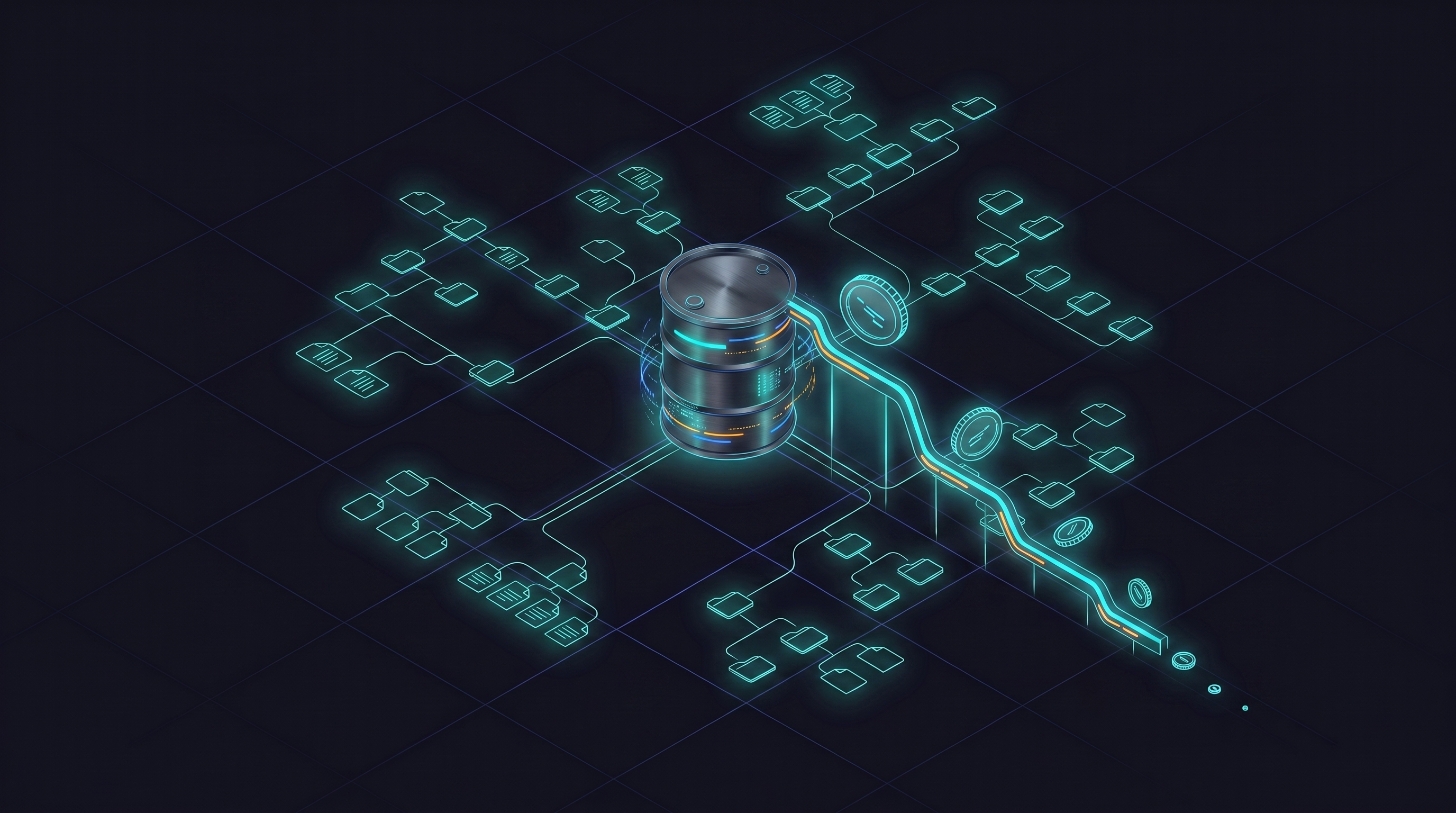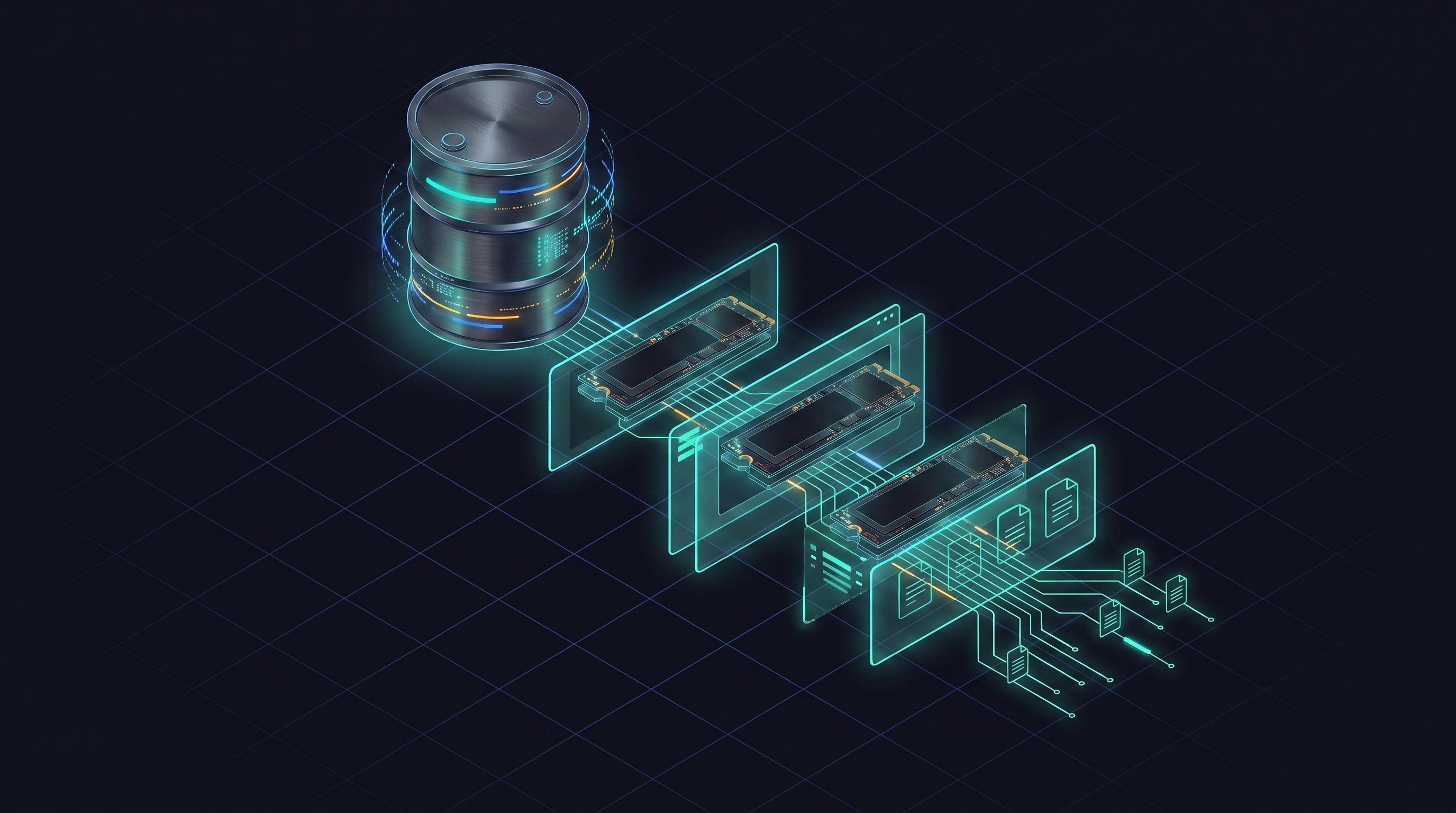
Caching Layers in Front of S3
GPU training clusters bottleneck on S3 latency, not compute power — add a caching layer to fix it.
Amara Zola
GPU training clusters bottleneck on S3 latency, not compute power — add a caching layer to fix it.
Choose the right S3 storage class to cut costs without sacrificing access speed or data durability.
Storage architecture determines whether AI agents scale beyond pilots or stall in production.
Use IAM for your own users, bucket policies when external callers need access.
Bucket names and regions are permanent decisions that require careful planning before deployment.
Splitting S3 downloads into parallel byte ranges cuts per-chunk retry time from minutes to seconds.
The real differences hide in your monthly invoice and minimum retention penalties.
Spread your S3 keys across more prefixes to multiply your throughput ceiling almost arbitrarily.
Enabling S3 versioning is easy; disabling it costs days and dollars in hidden storage.
Geography and object size determine whether S3TA's cost justifies its gains.
EBS hits sub-millisecond, S3 Standard tops 100ms—pick wrong and your GPUs wait for storage.
Parallel range requests amortize S3's fixed latency cost across simultaneous fetches.
The S3 feature that shifts data transfer costs from publishers to those downloading their datasets.
How S3 keeps abandoned parts indefinitely unless you explicitly abort them, costing money silently.
Treating storage as infrastructure rather than cognition will break your agent in production.
Each storage service excels in different scenarios: know which one fits your architecture.
Mounting S3 as a filesystem beats syncing for large, frequently accessed datasets.
AWS S3 stores half a trillion objects, but teams often miscalculate costs and hit latency walls.
S3-backed storage and compute discounts slash infrastructure spend before runway runs out.